


I’m a mood board lover through and through. I think they’re an excellent tool when it comes to visually clarifying your concept and creating a tangible world for your audience to experience - particualrly important if you’re trying to sell your script!
So let’s talk about why I use them, what I use them for, and some tools that you can use to get started.
Why I use mood boards:
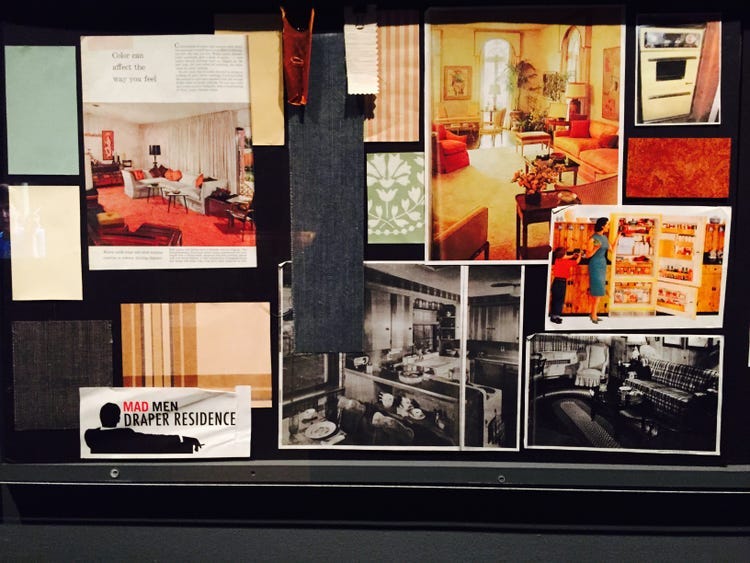
Creating a mood board for a TV show/movie can be especially beneficial in several ways:
1. Visual Representation of Concept: Your goal as a screenwriter is to get your ideas out of your head and onto the page so others can experience them. However, screenwriting (as creative as it may be) does have some rules and regulations regarding how those ideas need to be presented. Depending on how comfortable you are taking risks with your script, those rules can feel a bit limiting.
Mood boards (specifically when pitching) give you an extra bit of ammunition that can help create that visual world in your reader’s head - fill in the holes that your scene headings and descriptions may have left behind.
2. Pitch Enhancement: While we’re on the topic… pitching! A well-crafted mood board can make your pitch more engaging, visceral, and memorable, providing a visual element that complements your verbal presentation. This can give the room an idea of not only what the show ideally looks like but can also get them to start thinking about where this would shoot, what the unique selling points are, etc… This helps convey the show's tone, genre, and overall aesthetic, making it easier for potential buyers or networks to grasp your vision.
In short - film is a visual medium so assume that you’re pitching to visually driven people!
3. Character and Setting Development: A moodboard can include visuals that represent character traits, ideal wardrobe, and key settings - all of which can help to flesh out the world of the show.
The world or setting (whether intentionally or not) can also act as a character. A blatant example of this is ‘Sex and the City’, where New York City is not only mentioned in the show’s title, but it funtions as a main character in the same way that Carrie Bradshaw does - adding unique events, obstacles, and bringing an unmistakable aesthetic. New York City keeps those women on their toes as much (if not more) than any of their love interests. A more subtle example of this is Breaking Bad, where the desert is often as menacing and nefarious as Walter - constantly causing chaos and uprooting their best laid plans.
Both shows would look and feel completely different if they were set in different cities, climates, or time periods - the shows would be unrecognizable. Knowing this, your setting needs to be thoroughly flushed out in your mind, on the page, and in any other mediums you can possibly utilize.
4. Target Audience Insight: By showcasing themes, colors, and styles, you can demonstrate who the show is for and how it aligns with current trends. Who is your ideal audience member? Does your show appeal to lovers or dark academia? 1970s NYC? Modern day Palm Springs? Not only that, but down the line as you think about release plans and marketing material, it helps to ensure that all aspects of the show—from writing to visuals and marketing—are cohesive.
When to use a mood board:
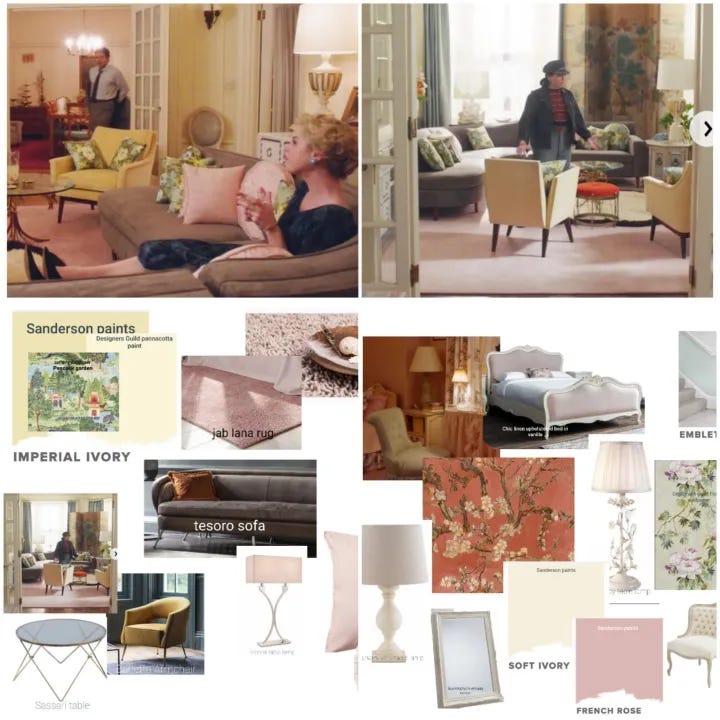
I make boards for each of the following circumstances - that may not be what works best for you and that’s ok! But here’s a peak into my process:
General Mood Board: this should include a little bit of everything - setting, textures, clothing, characters, colors, words/quotes, anything and everything that can contribute to the vibe is welcome. Start broad and hone in as you gather more source material.
Setting Specific Mood Board: you guessed it, this is entirely dedicated to the setting of your project. Where is it located, what is the lighting like, the colors, city or country, time period? This can have a mix of broad (the city/season/temperature) and granular (a can from a specific time period, the look of the main character’s office, etc…)
Character Boards: I create a small mood board for all of my main characters. These are very specific in terms of vibe, color, etc… and they typically consist of less than 15 images. I’m going to do a whole post about these boards and how you can use them to develop your characters so if you’re interested, make sure you’re subscribed!
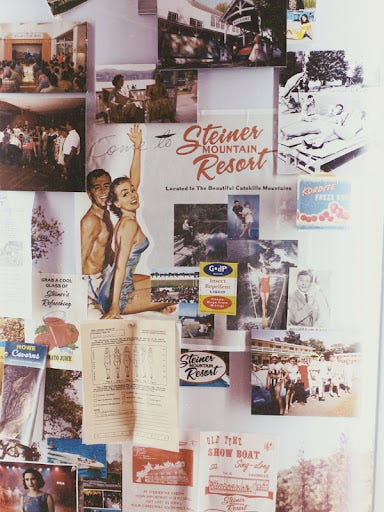
BONUS: “Travel Episode” Board: These boards are on a case by case basis but essentially, if I’m planning an episode that takes my characters out of their typical setting, then I like to create a board for that specific episode. Think ‘Emily in Paris’ when they go to Rome/San Tropez, the Los Angeles episodes from ‘Mad Men’ or the Catskills Episodes in ‘The Marvelous Mrs. Maisel’.
Mood Board Tools:
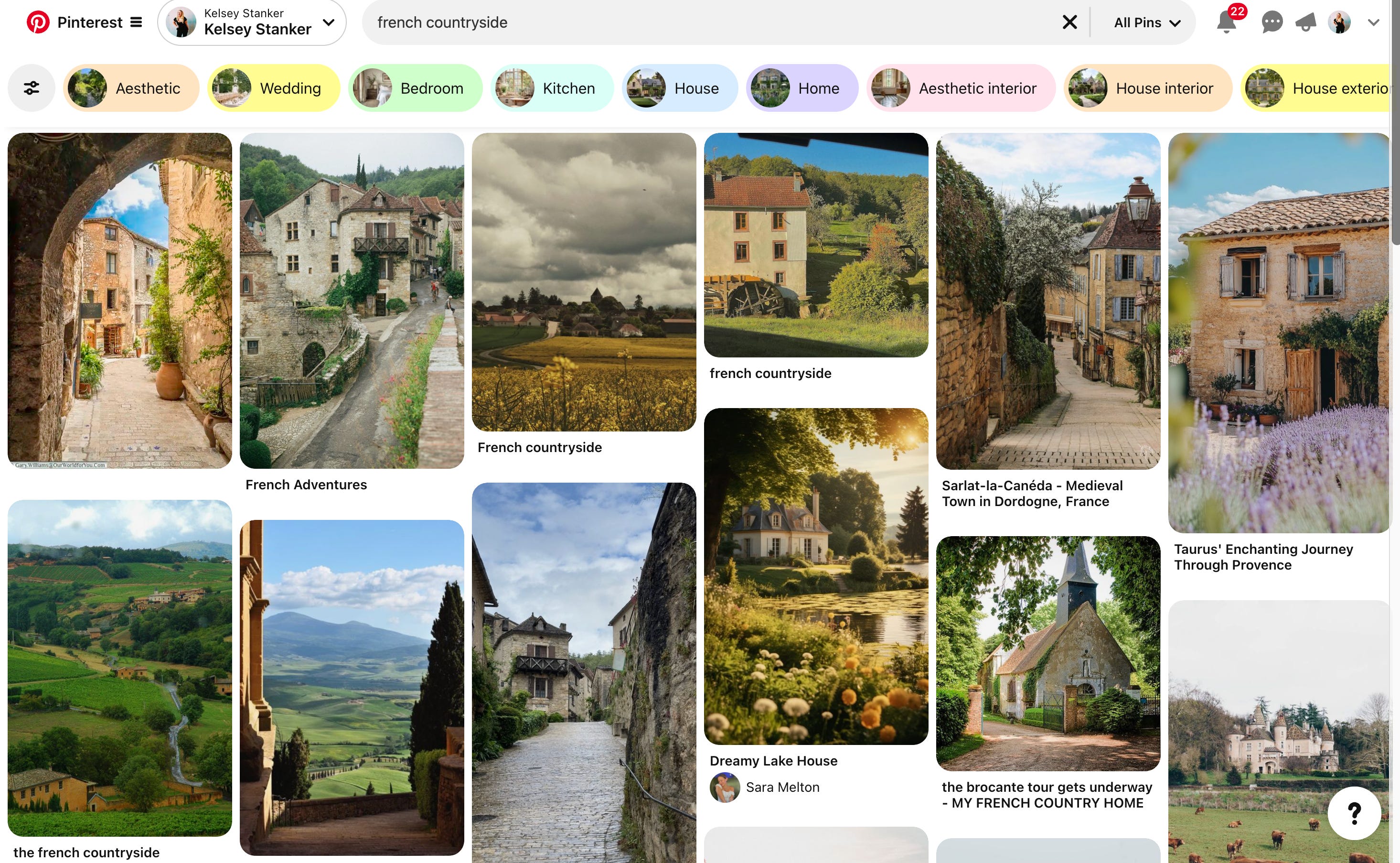
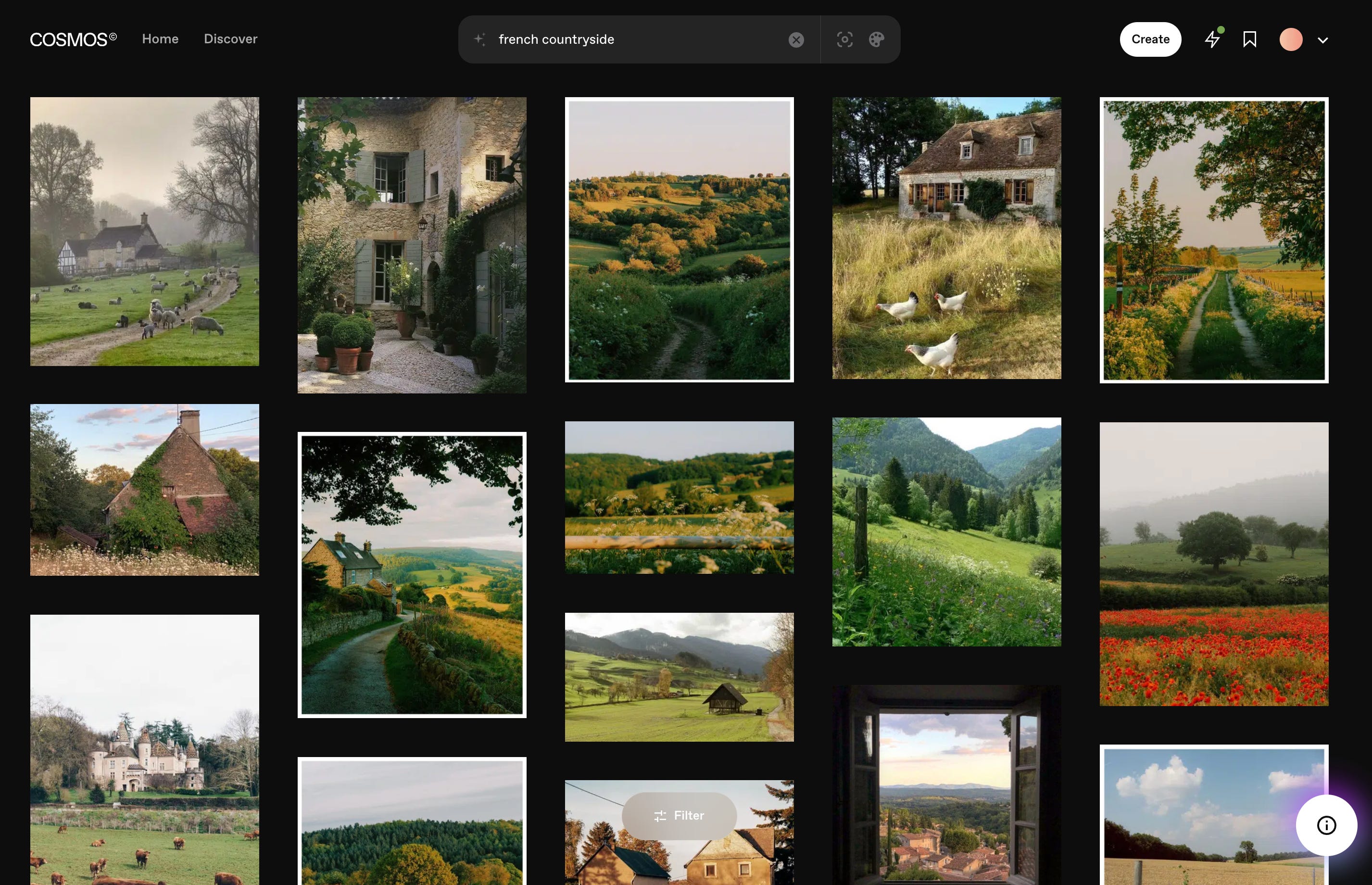
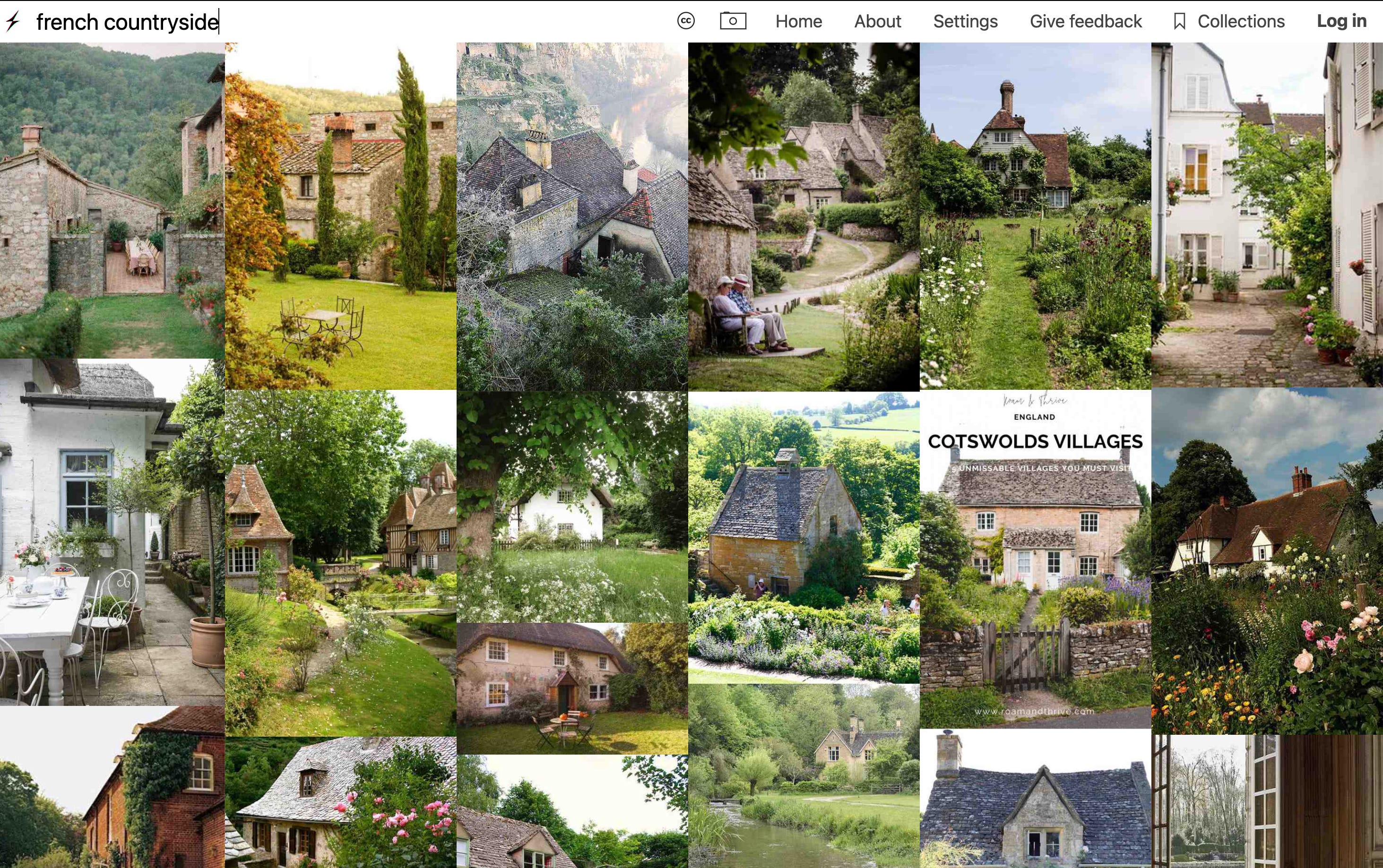
Below are some of my favorite tools for finding mood board inspiration! I’ve included screenshots from each site with examples of what you’d find when searching “french countryside” so you can see which might work best for you depending on your goals (exploratory, specific, mood based, color grading, etc…)
Pinterest: This one is pretty obvious but it is a great discovery tool, especially at the beginning of your process when you want a broad look at your potential settings.
Cosmos.so: Cosmos is specifically billed as a discovery engine for creatives. It works similarly to interest - anyone can save images from the web, curate into clusters, and share them with the world. However, because this is geared towards designers and creatives, the search results on Cosmos are more curated in my opinion. I’ve found that the images to be more consistent in coloring and the suggested photos get more granular as you refine your search. Plus you’re not filtering through ads and blog posts as you look for your inspo which is a plus.
Same Energy: Same energy is another a visual search engine but the most refined in terms of searching for one specific artistic style or overall mood of an image, rather than just the objects in it. You can use it to find beautiful art, photography, decoration ideas, pretty much anything. This is a great tool for anyone looking to really hone in on one particular vibe or aesthetic who knows what they’re looking for a really wants to double down.
I hope this was helpful! I’ll be getting into some tools for building boards in another post (coming soon) but for now - let me know if you have any questions about building mood boards and what visuals and feelings you’re looking to communicate with yours!